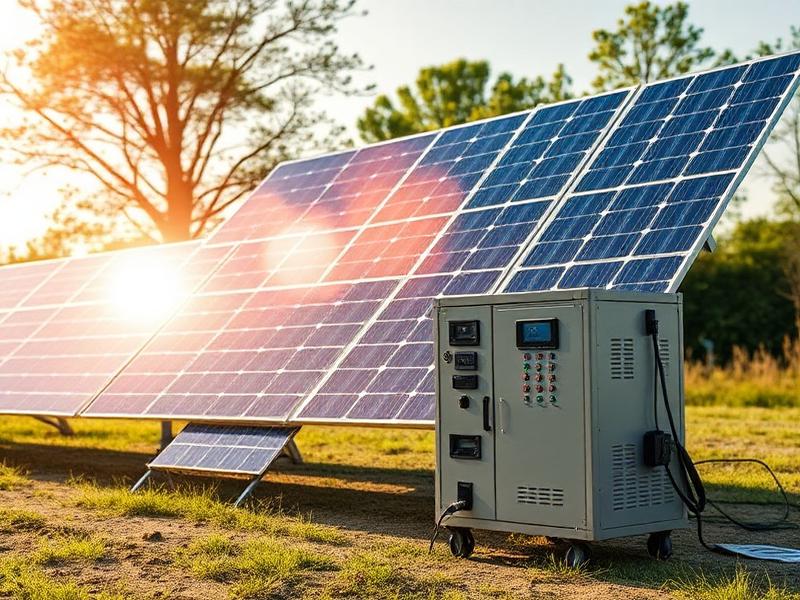
Portable Power Buyer's Guide 2026
The wrong size wastes money. Too small and it won't run your fridge. Too big and you've overpaid. Use our calculators to find the perfect fit - in under 5 minutes.
Not sure if you need one? Find out in 2 minutesWhy Backup Power Is No Longer Optional
Power cuts used to be a rare inconvenience. Now they're something many households plan around. Homes rely on electricity for far more than lights. Internet, heating controls, refrigeration, security systems, and medical equipment all stop working when the grid goes down.
Even short outages can cause real disruption. Longer ones create stress very quickly. That's why more people are looking for quieter, safer alternatives to fuel generators. Something that works indoors, doesn't need constant maintenance, and is ready when you need it.
Then
- • Lights and a TV
- • Occasional outages
- • Few critical devices
- • Minor inconvenience
Now
- • Internet, work, heating controls
- • More frequent disruptions
- • Multiple always-on systems
- • Major disruption
This isn't about panic buying. Backup power isn't about expecting disaster. It's about staying comfortable and connected when things don't go to plan.
How Portable Power Stations Actually Work
At a basic level, a portable power station is a large rechargeable battery with built-in electronics that let you plug everyday devices into it. You charge it in advance using a wall socket, and in some cases solar panels or a car outlet. When the power goes out, the stored energy is already there waiting.
Inside the unit, the battery stores electricity as direct current. An internal inverter converts that into the same type of power your home appliances use. You plug things in just like you would at the wall.
| Type of Power | What It Does | Why It Matters |
|---|---|---|
| DC (Battery) | Stores energy inside the unit | Efficient and stable |
| AC (Inverter) | Powers household devices | Matches wall sockets |
| USB | Charges small electronics directly | Saves energy |
There's no engine. No fuel. No fumes. The power station simply supplies energy until the battery runs down, then it shuts off safely.
How Much Power Do You Need?
This is where most people get stuck. Not because it's complicated, but because the industry makes it sound complicated. You just need to understand two things: watts and watt-hours.
Watts — What Can It Run Right Now?
Watts tell you how much muscle a power station has at any given moment. If the watts aren't there, the device simply won't turn on. If you want to run kitchen appliances, tools, or a few things at once, anything under 2,000 watts starts to feel limiting very quickly.
⚡ Common Device Wattage Reference
| Device | Typical Wattage | Load |
|---|---|---|
| Wi-Fi Router | 10–20W | low |
| Smartphone Charger | 5–15W | low |
| Laptop | 50–100W | low |
| LED Lighting (room) | 30–100W | low |
| Desktop Computer | 150–300W | medium |
| Television | 100–200W | medium |
| Refrigerator (running) | 150–300W | medium |
| CPAP Machine | 30–60W | low |
| Microwave | 1,000–1,500W | high |
| Kettle / Coffee Machine | 1,000–1,500W | high |
| Space Heater | 1,500–2,000W+ | high |
| Power Tools (startup) | 1,000–2,000W+ | high |
Watt-Hours — How Long Will It Last?
Watt-hours are your fuel tank. They answer one question: how long can this thing keep going? A rough way to think about it: Battery size ÷ device power = runtime.
So a 1,000 watt-hour power station running a 100 watt device gives you roughly 8 to 10 hours in the real world. Why not 10 exactly? Because no power station is perfectly efficient. Some energy gets lost. That's normal.
| Typical Situation | Recommended Capacity |
|---|---|
| Phone charging, Wi-Fi, a few lights | 500–700 Wh |
| Fridge, Wi-Fi, lighting | 1,000–1,500 Wh |
| Fridge, TV, laptop, small appliances | 2,000 Wh or more |
| Home essentials during longer outages | 3,000 Wh or more |
| High-power appliances or whole-home backup | 3,000 Wh+ with expansion |
Almost nobody complains that they bought too much capacity. Plenty of people complain they bought too little.
Surge Power — The Bit Everyone Misses
Some appliances need a quick burst of extra power when they start. Fridges, freezers, pumps, and power tools are the usual culprits. For example, a fridge might only run at 200 watts, but it can briefly demand 800 to 1,200 watts just to kick on.
If your power station can't handle that short spike, the appliance won't start, even if the battery is full.
Fridge backup: what size power station do you actually need?Battery Runtime Calculator
Based on 85% inverter efficiency
Power Station Size Calculator
Select your devices and hours of use. We'll recommend the right capacity.
Add device hours above to calculate.
💡 Includes 25% safety buffer for power conversion losses
Battery Types: Why LiFePO4 Matters
Not all portable power stations use the same type of battery, and this is one of those details that actually matters long after the excitement of buying wears off. Most power stations use one of two battery types: standard lithium-ion or LiFePO4.
| Feature | Lithium-Ion | LiFePO4 |
|---|---|---|
| Typical lifespan | 500–800 cycles | 3,000–4,000 cycles |
| Long-term reliability | Moderate | Very high |
| Safety and stability | Good | Excellent |
| Performance after years | Noticeable decline | Holds capacity well |
| Weight | Lighter | Heavier |
| Upfront cost | Lower | Higher |
| Best for | Occasional use | Home backup & long-term |
Lithium-Ion (The Older Standard)
Lighter and cheaper. Most are rated for around 500 to 800 full charge cycles before capacity noticeably drops. If you only plan occasional use for camping or short trips, this may be perfectly fine. For long-term emergency backup, it's not ideal.
LiFePO4 (The Better Long-Term Choice)
Cost more upfront but last much longer — 3,000 to 4,000 charge cycles, meaning a decade or more of useful life. More stable, less heat, lower fire risk, better performance when sitting unused for long periods. That last point matters — backup power often sits untouched for months.
| Your Situation | Better Fit |
|---|---|
| Occasional camping or trips | Lithium-ion |
| Emergency home backup | LiFePO4 |
| Medical device backup | LiFePO4 |
| Long-term peace of mind | LiFePO4 |
| Lowest upfront cost | Lithium-ion |
I'd personally rather buy once and not think about it again for ten years.
Solar Charging: What to Know
Solar charging sounds brilliant in theory. Free power. No fuel. No noise. But solar charging with portable power stations is often misunderstood. It works best as a slow, steady top-up, not a miracle solution.
A 200-watt solar panel does not mean you will get 200 watts all day long. In real conditions, you're more likely to see 60 to 75 percent of the rated output — less if it's cloudy.
⚡ Solar Charging Time Estimator
| Station Size | Panel Setup | Daily Recharge |
|---|---|---|
| 500 Wh | 100W panel | 30–50% |
| 1,000 Wh | 200W panel | 50–70% |
| 2,000 Wh | 400W panels | 40–60% |
| 3,000 Wh | 600W+ panels | 30–50% |
| Your Situation | Solar Makes Sense? |
|---|---|
| Short outages, urban home | Maybe |
| Frequent or long outages | Yes |
| Camping or travel | Yes |
| Emergency-only backup | Optional |
| Expecting fast recharges | No |
Solar charging is about resilience, not convenience. It works best when you plan for slower recharging and lower expectations.
Ports and Outputs
People focus on battery size and wattage, then get the power station home and realise they don't actually have the right ports for what they use every day.
| Device | Best Port Type |
|---|---|
| Smartphone | USB-A or USB-C |
| Laptop | USB-C or AC |
| Wi-Fi Router | AC |
| Television | AC |
| Refrigerator | AC |
| CPAP Machine | AC or DC (model dependent) |
| LED Lights | USB or AC |
| Car Fridge | 12V socket |
💡 Efficiency tip: Charging laptops and phones directly via USB-C uses less power than running them through AC. Over a long outage, that difference adds up.
More ports does not automatically mean a better power station. Fewer ports with enough power behind them often works better.
Size & Portability
On paper, bigger usually looks better. In real life, size and weight decide how often you actually use the thing.
| Size | Weight | Feel |
|---|---|---|
| Small | Under 15 kg | Easy to lift and move |
| Medium | 15–30 kg | Manageable with two hands |
| Large | 30+ kg | Best moved on wheels |
Truly Portable
Light, regularly moved, fits in cupboard or desk. Best for trips and room-to-room use.
Mostly Movable
Heavy, occasionally moved, lives in garage. Best for backup power setups.
There's no badge of honour for owning the biggest unit. The best one is the one you'll actually use without swearing at it.
What Portable Power Stations Cost
Portable power stations aren't cheap. The trick is understanding what you're paying for, and what's genuinely worth spending money on.
| Price Range | Typical Use Case |
|---|---|
| Under £600 | Phones, laptops, short outages |
| £600–£1,500 | Fridge, Wi-Fi, lights, home essentials |
| £1,500–£3,000 | Longer outages, heavier appliances |
| £3,000+ | Whole-home backup, expandable systems |
| Cheaper Models | Higher-End Models |
|---|---|
| Lower upfront cost | Higher upfront cost |
| Smaller batteries | Larger battery capacity |
| Shorter battery lifespan | Longer-lasting chemistry |
| Slower charging | Faster wall & solar charging |
| Basic cooling | Better thermal protection |
| Fine for occasional use | Built for reliability |
| May need replacing sooner | Designed to last many years |
A power station that lasts 10 years can be cheaper long-term than replacing a budget model every few years.
Safety Tips
Portable power stations are far safer than traditional generators, but that doesn't mean common sense goes out the window. Used properly, they're one of the safest backup power options you can have indoors.
| Safety Check | Good Practice |
|---|---|
| Ventilation | Keep vents clear and unobstructed |
| Placement | Flat, stable surface |
| Cables | Use thick, quality extension leads |
| Moisture | Keep unit dry at all times |
| Storage | Cool, dry place with partial charge |
| Testing | Test setup before an actual outage |
Indoor Use
They produce no fumes, no carbon monoxide, no combustion. That said, they still generate heat. Don't box them in. Give them space to breathe.
Extension Cables
It's usually fine to use a quality extension lead. Just don't overload it. Avoid cheap power strips with flimsy cables. Shorter, thicker cables are better.
Water & Damp
Portable power stations are not waterproof. Keep them off the floor if flooding is a risk, away from open windows during rain, and dry at all times.
Medical Devices
Most CPAP machines work well, but power draw varies by model. Test your setup before you actually need it. Peace of mind comes from knowing, not hoping.
Storage
Keep it partially charged, top it up every few months, and store somewhere cool and dry. Batteries age better when they're looked after.
💡 Pro Tips Before You Buy
Start with your essentials
List the devices you absolutely need during an outage. Most people overestimate.
Size up, not down
It's better to have extra capacity than run out mid-outage. Aim for 20-30% more than your minimum.
Consider solar pairing
Even a 200W panel can extend your runtime significantly during prolonged outages.
Watch the surge watts
Fridges and compressors need 2-3x their running watts to start. Make sure your station handles it.
Power Station vs Traditional Generator
| Feature | Power Station | Generator |
|---|---|---|
| Fuel Required | No ✅ | Yes (petrol/diesel) |
| Noise Level | Silent ✅ | Loud (65-80 dB) |
| Indoor Use | Safe ✅ | Outdoor only ⚠️ |
| Maintenance | Minimal ✅ | Regular servicing |
| Setup | Push-button ✅ | Manual startup |
| Emissions | Zero ✅ | CO, fumes ⚠️ |
| Runtime | Battery-limited | Fuel-limited ✅ |
| Max Output | Up to 3,600W | Higher available ✅ |
Frequently Asked Questions
| Question | Short Answer |
|---|---|
| Can it run a fridge? | Yes, with enough surge capacity |
| Safe indoors? | Yes, with ventilation |
| Worth it without solar? | Often, yes |
| Good for medical devices? | Usually, test first |
| Maintenance required? | Very little |
Now You Know What to Look For
The difference between a smart buy and a regret is 5 minutes of research.
At $500+ per outage in food loss alone, the right power station pays for itself the first time you use it.