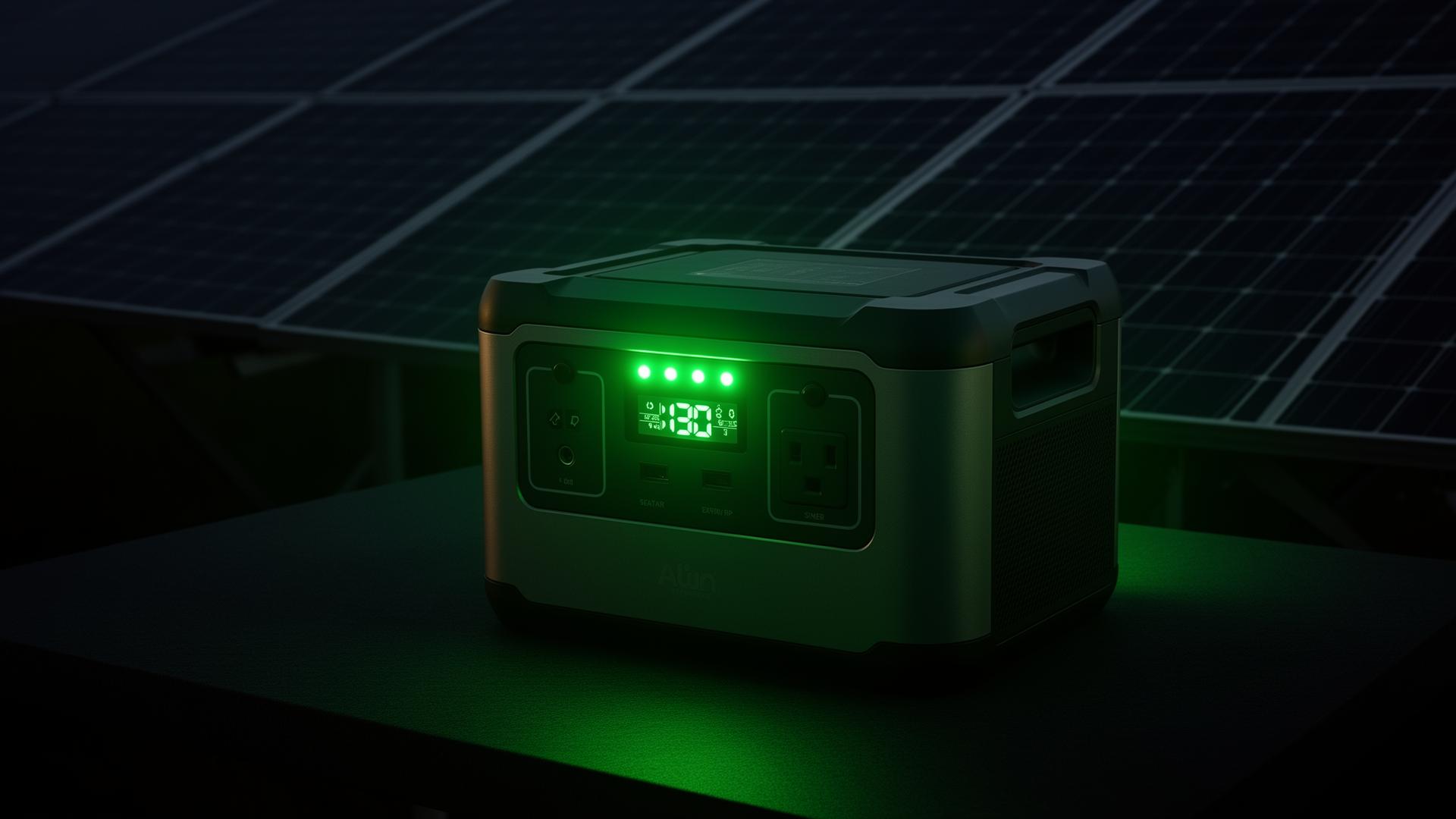
Best Portable Power Stations (Compared & Reviewed)
Don't guess. The wrong unit wastes hundreds of dollars. We've compared every major model so you can pick with confidence.
Not sure if you even need one? Find out in 2 minutesThe #1 mistake buyers make?
Buying too small. A unit that can't handle your fridge's startup surge is an expensive paperweight. Every model below has been tested against real-world home backup scenarios.
Our rankings are based on real performance data, not sponsorships. We compare capacity, output, charging speed, battery chemistry, and 5-year cost of ownership. If you're unsure what size you need, use our sizing calculator first.
⭐ Our Top 3 Picks (Quick Summary)
Our comparisons are based on published performance data, manufacturer specifications, reliability signals, and verified buyer feedback.
Comparison Table
| Model | Best For | Capacity | Output | Charging | Solar | Warranty | Score | |
|---|---|---|---|---|---|---|---|---|
|
EcoFlow DELTA 2 MaxTOP
|
Best Overall | 2,048 Wh | 2,400W | Very Fast | 5 years |
4.8
|
Check Price | |
|
BLUETTI AC200L
|
Home Backup & Solar | 2,048 Wh | 2,400W | Fast | 5 years |
4.6
|
Check Price | |
|
Anker SOLIX F2000
|
Best Value | 2,048 Wh | 2,400W | Fast | 5 years |
4.5
|
Check Price | |
|
Jackery Explorer 1000 Plus
|
Camping & Travel | 1,264 Wh | 2,000W | Moderate | 5 years |
4.4
|
Check Price | |
|
EcoFlow DELTA Pro
|
Fast Recharge | 3,600 Wh | 3,600W | Ultra-Fast | 5 years |
4.7
|
Check Price | |
|
Goal Zero Yeti 3000X
|
Heavy-Duty Backup | 3,032 Wh | 2,000W | Moderate | 2 years |
4.3
|
Check Price |
Battery Capacity at a Glance
Detailed Reviews
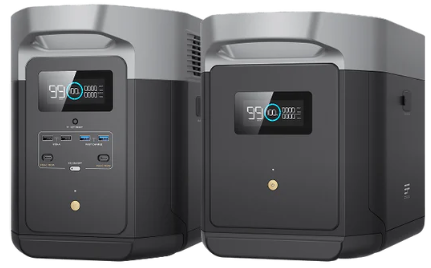
EcoFlow DELTA 2 Max
The most well-rounded portable power station. Combines strong output, fast recharging, and expandability without feeling over-engineered. The safest place to start.
- Ultra-fast AC charging (0-80% in 43 min)
- 2,048Wh expandable to 6,144Wh
- LiFePO4 battery, 3,000+ cycles
- Smart app control
- ✕Premium price point
- ✕Heavy at 23kg
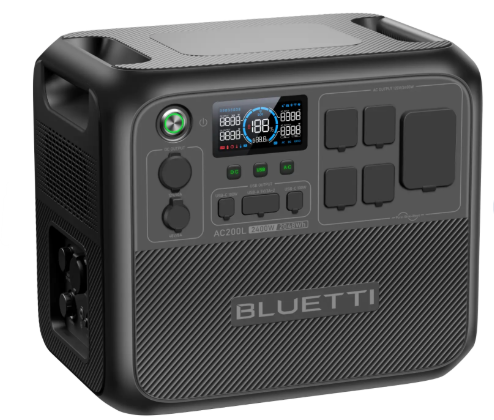
BLUETTI AC200L
Aimed at users who prioritise reliability during power cuts and want to integrate solar charging over time. Handles essential household appliances well.
- Excellent solar input (1,200W max)
- Dual charging (AC + solar)
- LiFePO4 battery
- Quiet operation
- ✕Slightly slower AC charge
- ✕App could be better
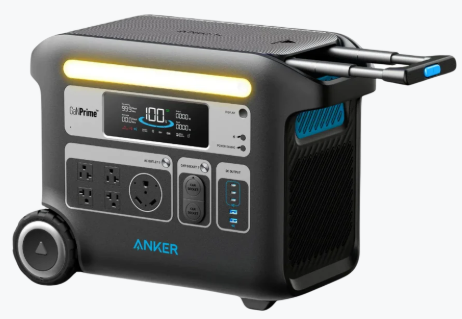
Anker SOLIX F2000
Solid build quality and long-term reliability at a more approachable price point. The reassurance of a well-known brand without flagship pricing.
- Competitive pricing
- HyperFlash technology
- Unibody design
- 5-year warranty
- ✕Less expandable than competitors
- ✕Slightly lower solar input
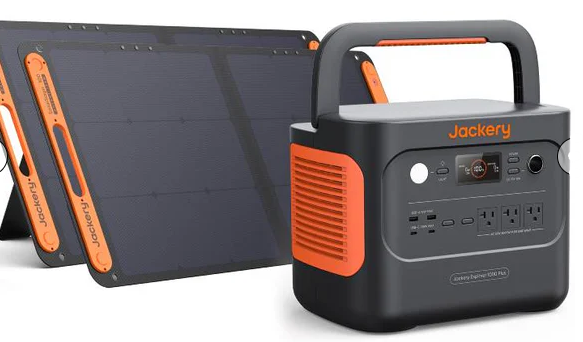
Jackery Explorer 1000 Plus
Best suited for portable power during camping, travel, or lighter backup use. Easy to transport, simple to operate.
- Lightweight & portable
- Simple interface
- Wide solar accessory range
- Reliable brand
- ✕Lower capacity
- ✕Not ideal for heavy loads
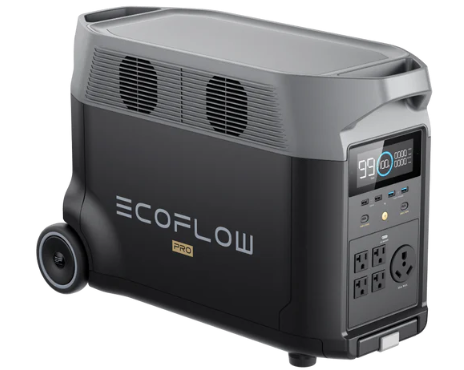
EcoFlow DELTA Pro
Stands out for extremely quick recharging and high output power. Particularly useful when outages are frequent or unpredictable.
- 3,600W output - runs almost anything
- 0-80% in 1.8 hours
- Expandable to 25kWh
- Smart home panel compatible
- ✕Expensive
- ✕Very heavy (45kg)
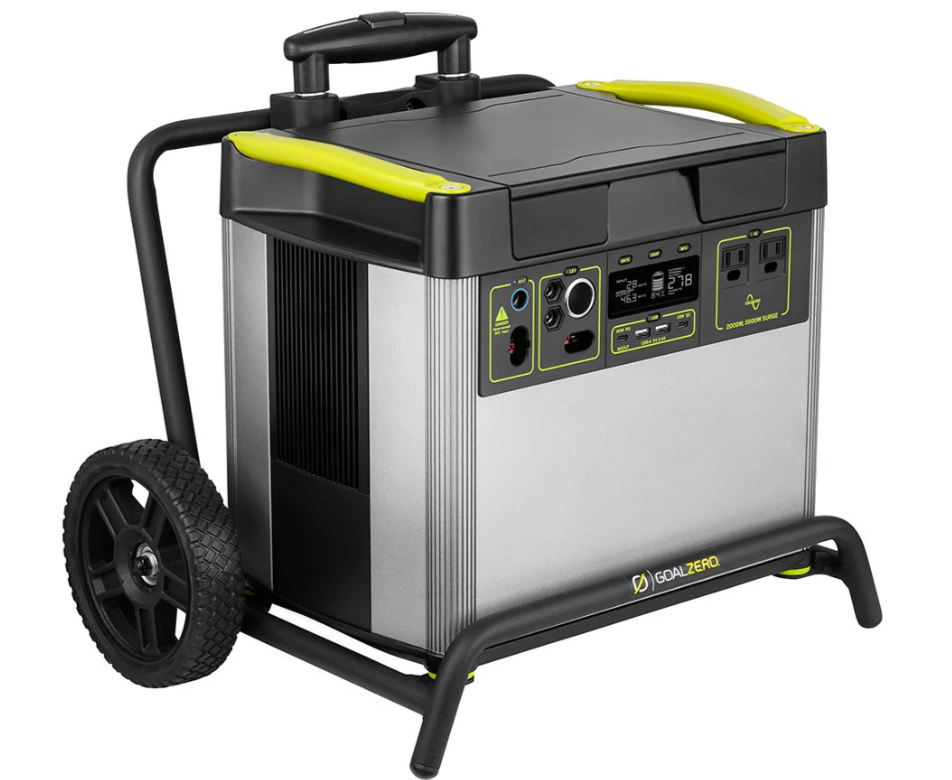
Goal Zero Yeti 3000X
Built for heavy-duty scenarios. Proven track record in off-grid and emergency situations with premium build quality.
- Massive 3,032Wh capacity
- Tank-like build quality
- Proven reliability
- Multiple output ports
- ✕Li-ion (not LiFePO4)
- ✕Only 2-year warranty
- ✕Slower charging
How We Compare Portable Power Stations
- Real-world performance data and user reports
- Manufacturer charging specifications
- Inverter output and reliability indicators
- Solar input capability and efficiency
- Battery chemistry and longevity
- Build quality and warranty coverage
- Price vs long-term value
What to Consider Before Buying
Capacity (Wh)
Determines how long your devices will run. Higher capacity means longer runtime during outages.
Output (W)
Determines what devices you can power at once. Kitchen appliances and tools need 2,000W+.
Solar Charging
Extends runtime during longer outages. All models listed support solar with compatible panels.
Battery Chemistry
LiFePO4 lasts 3,000+ cycles vs 500-800 for Li-ion. Worth paying more for long-term backup.
FAQ
These are some of the most common questions people ask when choosing a portable power station.
Still Deciding?
The average outage costs $500+ in spoiled food alone. A power station pays for itself the first time - and lasts 10+ years.