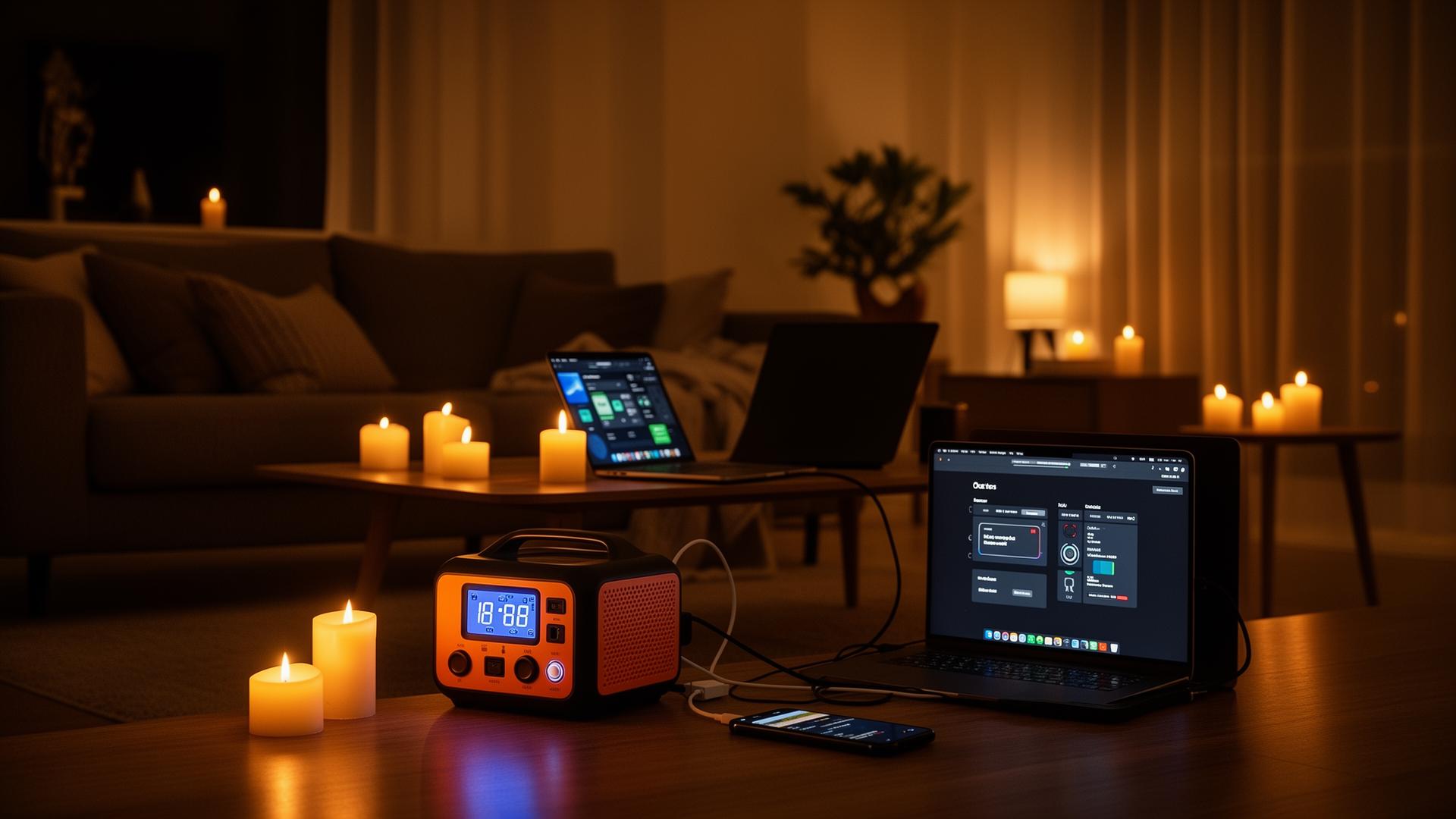
"What size power station do I need?" is the most common question people ask before buying one. The answer depends on two simple things: what you want to keep running and how long you need it.
This guide walks you through both. You can use our interactive calculator below, or just read through the sizing scenarios to find where you fit.
Quick Sizing Guide
Find your scenario. Most people land in the middle two.
Lights, Phones & Wi-Fi Only
Add a Refrigerator
Full Essentials Backup
Heavy Use / Extended Outage
What Different Sizes Can Actually Run
Real-world runtime estimates for common home devices
| Device | 1,000 Wh | 2,000 Wh | 3,600 Wh |
|---|---|---|---|
| Refrigerator | 5–8h | 10–16h | 18–29h |
| Wi-Fi Router | 56h | 113h | 204h |
| LED Lights (room) | 28h | 56h | 102h |
| Phone Charges | ~55 | ~110 | ~200 |
| Laptop | 14h | 28h | 51h |
| TV (55") | 8.5h | 17h | 30h |
Based on 85% inverter efficiency · Running one device at a time · Fridge uses duty cycle
How Popular Models Compare
Battery capacity side by side — bigger isn't always necessary, but it helps.
Home Power Sizing Calculator
Select what you need to keep running during an outage
🍳 Kitchen
🛋️ Living Room
🛏️ Bedroom
🔧 Garage / Utility
Watts vs Watt-Hours - The Only Two Numbers That Matter
Watts (W)
How much power it can deliver right now
Think: water pressure. Determines what you can run. If your fridge needs 200W and your station does 2,000W — no problem. If it only does 150W, the fridge won't start.
Watt-Hours (Wh)
How much energy is stored in the battery
Think: tank size. Determines how long it lasts. A 2,000Wh station running a 100W load = ~17 hours of real-world runtime (with efficiency losses).
Rule of thumb: You need enough watts to start your biggest device, and enough watt-hours to keep everything going for as long as you need.
Don't Forget Startup Surge
Compressor-based devices (fridges, freezers, sump pumps) need a burst of extra power to start — often 3–5x their running wattage. This is the most common reason a power station "can't run" something.
| Appliance | Running | Startup Surge |
|---|---|---|
| Refrigerator | 150–200W | 600–1,200W |
| Chest Freezer | 100–150W | 500–800W |
| Sump Pump | 400–600W | 1,000–2,000W |
| AC Window Unit | 500–1,500W | 1,500–3,000W |
| Power Tools | 500–1,500W | 1,000–3,000W |
5 Sizing Mistakes People Make
Buying too small
The #1 regret. A 500Wh unit won't run your fridge for more than a few hours. Size for your actual needs.
Ignoring surge watts
Your fridge label says 150W, but startup surge can be 800W+. If your station can't handle it, the fridge won't start.
Expecting whole-home backup
These aren't generators. They're for essentials. Trying to power everything leads to disappointment.
Forgetting about recharging
A big battery is great, but how will you recharge it during a long outage? Solar compatibility matters.
Not testing before an emergency
Charge it, plug in your fridge, and see what happens. Better to learn the limits now.
Recommended Power Stations by Home Size
Matched to common home backup scenarios - from apartments to larger homes.
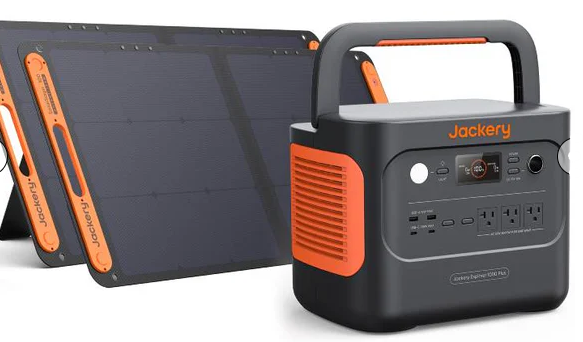
Jackery Explorer 1000 Plus
Apartments & light backupCompact and expandable. A solid entry point for lighter needs.
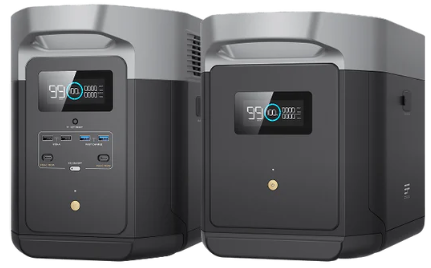
EcoFlow DELTA 2 Max
Most homesThe sweet spot. Enough capacity for real essentials, fast charging, expandable.
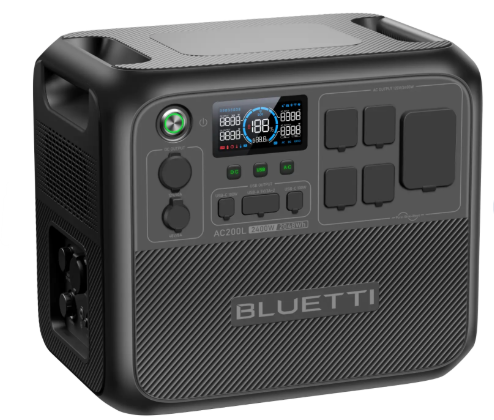
BLUETTI AC200L
Solar-focused setupsGreat solar input. Reliable for extended off-grid or long outages.
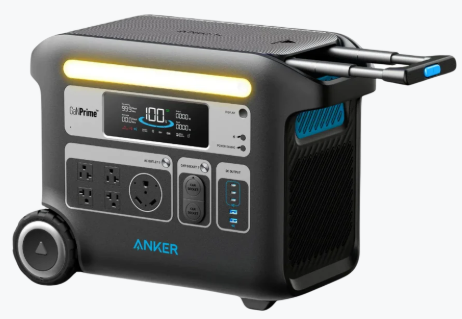
Anker SOLIX F2000
Quiet home backupUltra-quiet operation. One of the most refined options at this capacity.
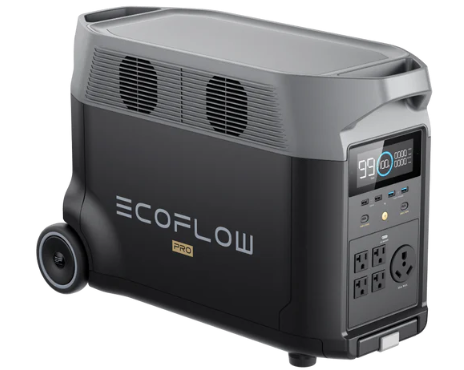
EcoFlow DELTA Pro
Frequent / long outagesBiggest capacity on this list. Serious backup for demanding setups.
Want the detailed breakdown? See the full reviews page.
Should You Add Solar?
For home backup, solar is optional but can be a game-changer
Solar won't fully recharge a big battery in one day, but it can meaningfully extend runtime. Best paired with 2,000Wh+ stations.
Quick Decision Guide
Do you only need phones, Wi-Fi, and lights?
500–1,000 Wh is fine
Do you need to run a fridge?
1,500 Wh minimum, 2,000+ recommended
Multiple devices for 12+ hours?
2,000–3,000 Wh
Frequent outages or want full comfort?
3,000+ Wh with solar panels
Frequently Asked Questions
What size power station do I need for a house?
It depends on what you want to run and for how long. For most homes keeping essentials running (fridge, lights, Wi-Fi, phones), 2,000Wh is a practical starting point. For longer outages or more devices, 3,000Wh+ gives more breathing room.
Can a portable power station power a whole house?
Not realistically. These are designed for essentials — fridge, lights, communications, and small appliances. For whole-home backup, you'd need a fixed generator or battery system like Tesla Powerwall.
How long will a 2,000Wh power station last?
Running essentials (fridge, Wi-Fi, lights, phone charging) at roughly 200–300W average draw, you can expect 6–10 hours of real-world runtime. Less if you're running high-draw devices.
Is a portable power station worth it for home backup?
If you experience occasional outages and want to keep essentials running safely indoors, yes. They're quiet, fume-free, and much more convenient than gas generators for most people.
What's the difference between watts and watt-hours?
Watts = how much power it can deliver right now (like water pressure). Watt-hours = how much energy it stores (like the size of the tank). You need enough of both.
Should I get solar panels with my power station?
For home backup, solar is optional but valuable. Even a 200W panel can meaningfully extend runtime during daylight hours. If you're in an area with long outages, it's a smart addition.