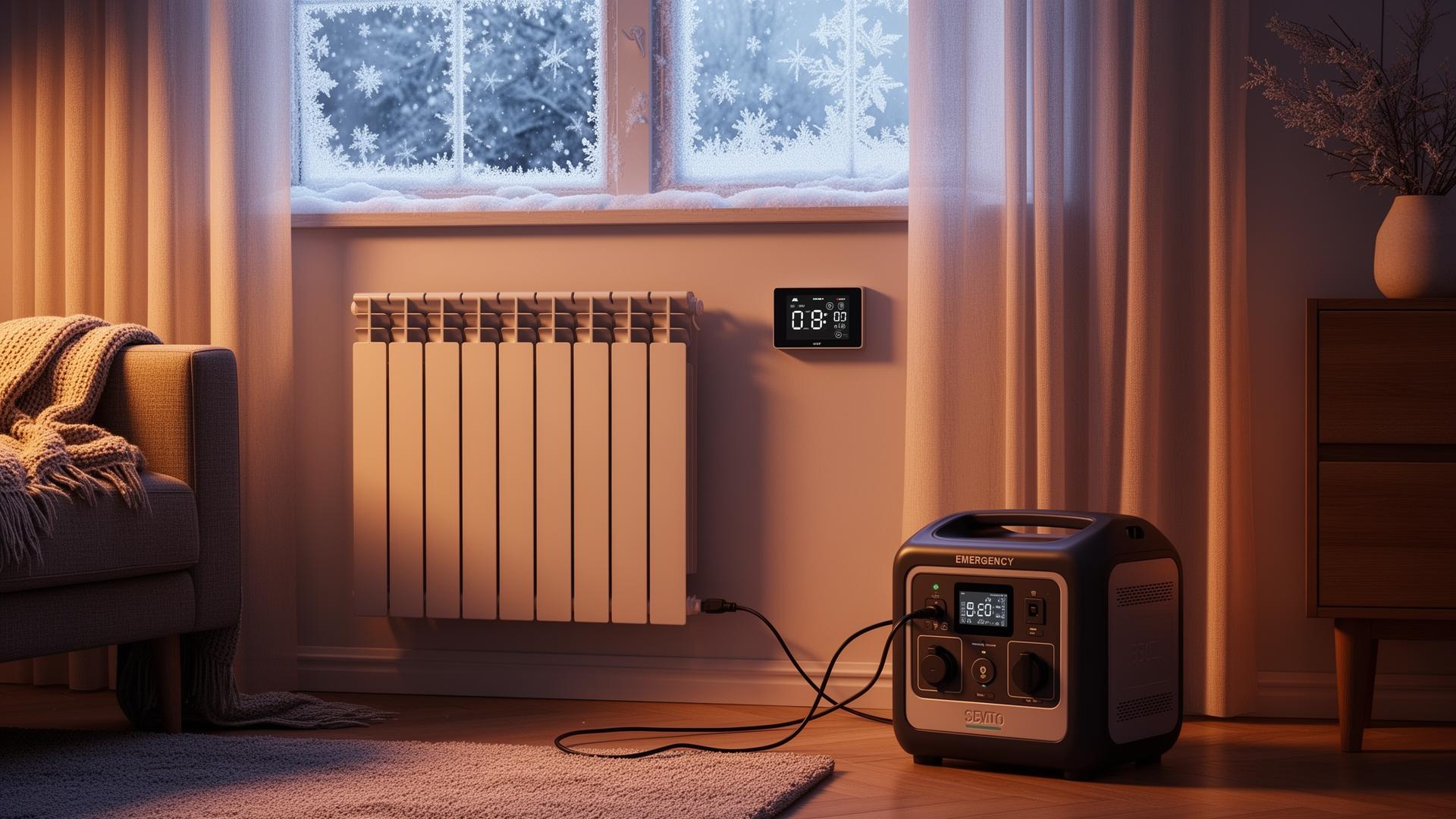
Winter power cut. Temperature dropping. Your first thought: can I run my central heating from a power station?
The answer depends entirely on what type of heating you have. Gas and oil boilers? Surprisingly easy — they only need a small amount of electricity. Heat pumps or electric radiators? That's a different story. This guide breaks it all down.
Can a Power Station Run Your Heating?
Gas Boiler (combi)
Pump + controls + ignition
Gas Boiler (system)
Pump + controls + zone valves
Oil Boiler
Pump + burner motor + controls
Heat Pump (air source)
Compressor + fan + controls
Electric Radiators
Direct electric heating
Underfloor (electric)
Electric heating mat
Underfloor (water/gas)
Pump + boiler controls
Gas/oil boilers only use electricity for pump, controls & ignition — the actual heat comes from burning fuel
Why Gas Boilers Are So Easy to Run
Most people are surprised at how little electricity their boiler actually needs.
Gas Does the Heating
The burner runs on mains gas — electricity only powers the controls, pump, and ignition.
Gas = heat80–180W Electric
That's less than a gaming console. The circulating pump is the biggest draw at 50–80W.
< 2 light bulbs12+ Hours on 2kWh
A 2,000Wh station can keep a typical combi boiler running for half a day or more.
12–25 hrsHeating Runtime Calculator
See how long your power station will keep the heating on
Based on 85% inverter efficiency · Actual draw varies by boiler model and system configuration
The Heat Loss Reality Check
Even if you can run your boiler, how much heat your home loses determines how often it needs to run.
| Space | Size | Heat Needed | Feasibility |
|---|---|---|---|
| Small bedroom | 10 m² | 500W | Gas boiler ✓ |
| Living room | 20 m² | 1,200W | Gas boiler ✓ |
| Open-plan kitchen/diner | 30 m² | 1,800W | Gas boiler ✓ (cycling) |
| Whole small flat | 50 m² | 3,000W | Gas boiler ✓ (cycling) |
| Whole 3-bed house | 90 m² | 6,000W | Needs full system |
Key insight: A gas boiler on a power station can heat any of these spaces — because the gas does the heavy lifting. The wattage in this table is thermal output, not the electric draw on the station. Your station only needs to cover the boiler's 80–180W electric requirement.
4 Ways to Heat Your Home During an Outage
Not all options are equal — here's how they compare.
Portable Electric Heater (low wattage)
Good for short outages- No fuel, no fumes
- Compact and safe indoors
- Thermostat control
- High power draw vs gas boiler
- Limited runtime on battery
- Only heats one room
Gas Boiler on Power Station
Best option- Heats entire house
- Very low electric draw
- Uses existing gas supply
- Requires gas supply
- Needs correct setup
- Surge on startup
Paraffin / Kerosene Heater
Emergency backup- No electricity needed
- Good heat output
- Portable
- Ventilation required — CO risk
- Fuel storage needed
- Smell and moisture
Wood Burning Stove
Best if installed- No electricity needed
- Excellent heat output
- Can cook on it
- Requires installation
- Needs chimney/flue
- Fuel storage
The Smart Heating Strategy
Don't run the heating non-stop — use this approach to maximise warmth per watt-hour.
Heat in 30–60 min bursts
Run the boiler to warm the house, then turn it off. Insulation keeps heat in for 1–2 hours in most homes.
Focus on one zone
Close doors and heat only the rooms you're using. A single heated room is far more efficient than a whole house.
Layer up between cycles
Thermal underwear, blankets, and hot drinks bridge the gaps between heating cycles. Target 14–16°C not 21°C.
Draught-proof aggressively
Stuff towels under doors, close curtains, and cover any obvious draughts. This is free insulation.
Monitor your battery level
Keep 20% in reserve. If the outage lasts longer than expected, you'll be glad you didn't drain the battery completely.
Best Power Stations for Central Heating
These models can comfortably run a gas/oil boiler with plenty of runtime to spare.
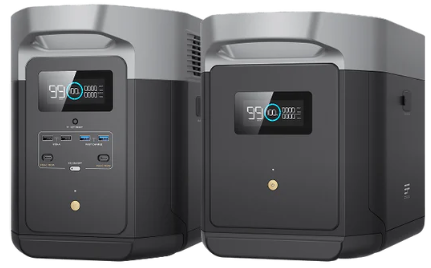
EcoFlow DELTA 2 Max
Best all-rounder. Fast charging, handles boiler startup surge easily, expandable to 6kWh.
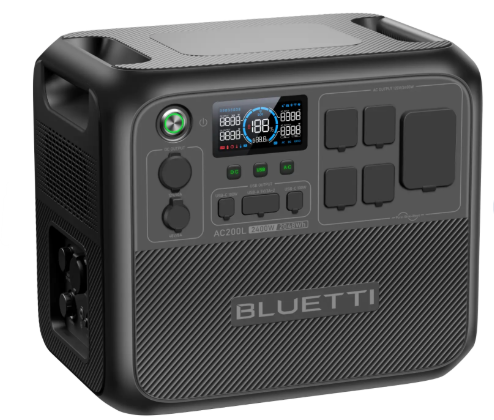
BLUETTI AC200L
Excellent solar input (1,200W). Pair with panels for indefinite heating during winter outages.
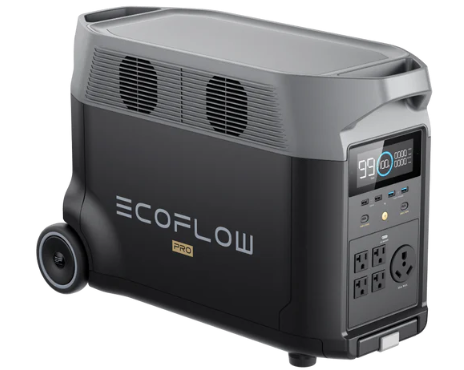
EcoFlow DELTA Pro
Maximum runtime — can keep a gas boiler running for a full day. Expandable to 10.8kWh with extra batteries.
Winter Power Outage Prep Checklist
Be ready before the cold snap hits
Frequently Asked Questions
Can a portable power station run a gas boiler?
Yes! Gas boilers only need 80–180W of electricity to run the pump, controls, and ignition. A 1,000Wh+ power station can keep a gas boiler running for 6–20+ hours easily.
Can a power station run a heat pump?
Generally no. Air source heat pumps draw 2,000–5,000W - far more than most portable stations can deliver. You'd need a whole-home battery system or generator for heat pumps.
How much electricity does a gas boiler actually use?
A typical combi boiler uses 80–150W when running. This covers the circulation pump, control board, and gas valve. The actual heating comes from gas, not electricity.
What size power station do I need for central heating?
For a gas/oil boiler: 1,000Wh minimum (6+ hours), 2,000Wh recommended (12+ hours). Make sure the station's continuous output exceeds 500W to handle startup surge.
Will my heating work without electricity?
No. Modern gas and oil boilers need electricity for the pump, thermostat, gas valve, and controls. Without power, the boiler cannot fire - even though the fuel is gas or oil.
Can I run a space heater on a power station?
Yes, but runtime is limited. A 500W ceramic heater on a 2,000Wh station lasts about 3.5 hours. A 2,000W fan heater would drain it in under an hour. Low-wattage heaters are key.
What about electric underfloor heating?
Electric underfloor heating typically draws 1,000–2,000W - too much for extended use on a power station. Water-based underfloor with a gas boiler only needs the boiler's electric draw (~130W).
Should I run the heating constantly or in bursts?
In bursts. Run the heating for 30–60 minutes to warm the house, then turn it off and let insulation retain heat. This can double your effective runtime compared to running continuously.